Physical Demand Remains Strong

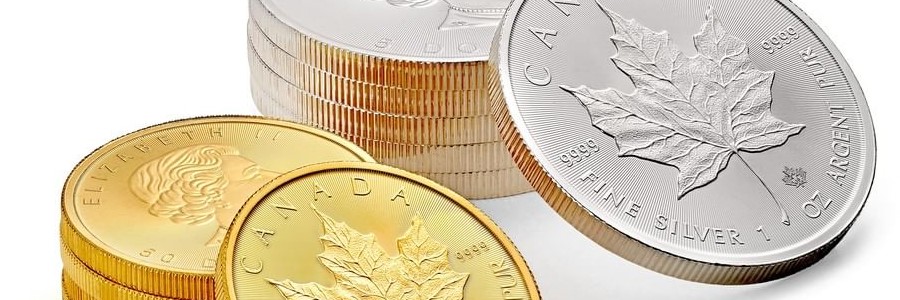
The U.S. Mint recently announced that demand for physical gold hit its highest level since 2009. The mint said sales of its iconic American Gold Eagle coin were up 48% from the previous year, totaling some 1.25 million ounces of various denominations. Although gold saw some very strong months early in the year, the later months also saw heavy buying. The months of October and November both saw heavy physical demand as the threat of inflation became a reality.


It wasn’t only seasoned gold investors getting involved. The gold market saw a large number of new investors entering the market. Recent stock market volatility in the Dow Jones and Russell indexes shows how gold may be viewed as the only reliable source of money there is. In addition to market volatility, gold’s case as the only stable form of money on the planet is also bolstered by runaway government spending, massive sovereign debt levels and other economic issues. Ultra-low interest rates combined with QE measures have also lent credibility to gold’s reputation and may continue to do so if the Fed finds itself stuck and unable to raise rates enough.


The quantity of gold coins purchased by investors last year may just be the tip of the iceberg. The Fed has already announced  plans to taper its QE purchases and has penciled in three rate hikes for 2022. Although this was initially viewed as being bearish for gold, some doubts remain that the Fed will be able to raise rates three times, regardless of what inflation may be doing. These doubts about the Fed have kept the price of gold from falling through the floor and may continue to do so in the months ahead. The Fed has done a great job of backing itself into a corner. The central bank will now have to try to find a way out, the only problem is there may not be one. If the Fed chooses to aggressively raise interest rates, the economy will slow and stock investors will likely run for the exits. If the Fed keeps rates low, on the other hand, inflation is likely to become even more out of control and price pressures may have a significant impact on the global economy.


The Fed appears to be in a can’t-win position regardless of what it chooses to do. This may keep buyers interested in the gold market despite any rate hikes or lack thereof, and may keep pressure on the Dollar Index. Any weakness seen in the dollar may also boost demand for gold as it has a tendency to exhibit a negative correlation.


Despite some recent volatility and weakness, the gold market may have a very encouraging 2022 to look forward to. Having maintained its recent trading range for several months now, the bulls could simply be gearing up for a major push higher that could take the metal to all-time highs or beyond.

Gold Bouncing Back

The gold market is seeing some buying Tuesday as the metal bounces back from the significant sell-off seen on Monday. After a poor start to the trading year, gold is attempting to hold its ground higher Tuesday as some key pieces of economic data missed expectations. The yellow metal is holding above the key $1800 level in what may be viewed as a sign of strength.


The latest reading of the ISM Manufacturing Index was a disappointment this morning, coming in at a reading of 58.7% last month. This figure represents a nearly 2.5% decline from November’s data and also fell short of expectations for a reading of 60%. Despite signs of an improving labor market, the report did note the challenges being faced by companies as the effects of supply chain constraints remain strong. Manufacturing is being affected by a variety of Covid-related issues including parts shortages, worker absenteeism, overseas supply chain issues and high worker turnover. Despite these issues, however, the strength of optimism being seen remains high.


The survey captured economic activity at the end of the year. It was likely done too early to measure the impact of the Omicron variant, however, which may take several weeks to capture the effects of supply disruptions and other factors. Manufacturing could potentially slow, significantly, if the opaque of the variant spread is not slowed. New cases of over 1 million per day, for example, could greatly inhibit the pace of manufacturing and could send the economy into recession.


The economic data stream is likely to remain an important factor for the gold market. As the Fed prepares to begin hiking interest rates this year, it seems as if an increasing number of analysts believes the gold market will be unable to withstand the changes to monetary policy. Some analysts have suggested that gold prices are likely to decline to pre-pandemic levels over the course of the year, as an unwinding of the Fed’s super accommodating policy will be viewed as strongly bearish for the yellow metal. Of course, time will tell if this in fact proves to be the case. A very weak period of economic data could, for example, give the Fed reason to reconsider its plans regarding policy. The central bank will already be forced to walk a tightrope of sorts as it looks to normalize policy, attempting to avoid any major equity market disruptions along the way. A streak of weaker data could pave the ebay for the Fed to keep interest rates at or near current levels. Doing so may also help it avoid any major equity sell-offs or a trend reversal in equities. While doing so may keep a floor under equity markets, it could also be viewed as being highly bullish for gold, as there may be no significant changes in opportunity cost.


The bulls remain in control on the daily chart. Their uptrend will need to be verified soon, however, or the market may see an increasing risk of reversing course. The bulls will target resistance in the $1840 area while the bears will look to take process below $1775 to gain momentum.