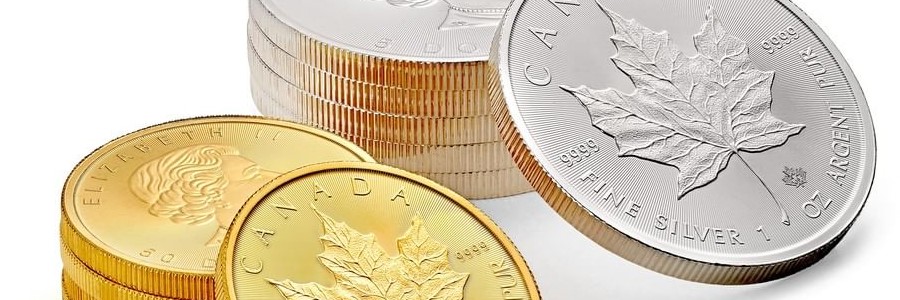
Gold Climbing A Wall Of Worry

The gold market is sharply higher Friday as the bulls attempt to continue climbing a wall of worry. The yellow metal is higher after the key data point of the month, the jobs figures for December, were released. December saw a rise of 223,000 jobs while estimates were calling for a rise of 200,000 jobs. The data is upbeat, but not overly strong, and may fall into the camp of the policy doves. The figure is lower than that of November, in which the market saw a gain of 263,000 jobs. Markets seem to be breathing a sigh of relief that the non-farm payrolls were not stronger than they were or beating expectations by even more. The jobs data is unlikely to have much if any, effect on the Fed and its plans for interest rates in the months ahead. The ADP jobs report, released Thursday, handily beat expectations and may have had some market participants worried the non-farm payrolls would do the same. As is often the case, however, the two reports did not match up very well.


The goldilocks jobs data Friday may keep markets guessing about the Fed’s intentions for the months ahead. After raising rates by only 50 points last month instead of 75, the Fed has already signaled it intends to slow the pace of rate hikes in the months ahead. The Fed also suggested, however, that rates may need to remain higher for longer. The seemingly mixed message may keep investors and volatility awake as the new year gets rolling. While the terminal rate is likely to keep moving higher, possibly topping out around 5.25%, data such as that seen today may keep markets guessing. Until the Fed provides more clarity about its intentions, the market may be influenced by inflation data and the war in Ukraine. If the inflation data continues to show signs of some easing, markets could head higher on the hopes of a more dovish Federal Reserve. If the inflation data comes in hotter than expected, however, markets could see significant selling and volatility as worries over a hawkish Fed may take center stage.


The gold bulls have done a good job of putting some distance between the market and the $1800 level. Today’s $30 per ounce gain puts the market within striking distance of the $1900 level which may be the next major obstacle for the bulls. The bears will look to produce a close below the $1800 level and then target the $1700 breakout level. A close below $1700 would put the market in significant jeopardy of declining to the $1500 level before finding willing buyers.


For the time being, the trend for gold remains higher and that is the path of least resistance. Any dips toward the $1800 level will likely be bought aggressively and the market may remain in a trading range until more is known about the Fed’s intentions for 2023.

Gold Seeing Corrective Pullback Thursday

The gold market is lower on Thursday as the market sees an expected pullback following recent strength. The yellow metal may be susceptible to more downside in the days ahead if the data stream is stronger than expected. That was already the case today when the latest ADP jobs data beat expectations handily. The ADP report showed a rise of 235,000 jobs for December while consensus estimates were looking for a rise of 153,000 jobs. The better-than-expected data could point to a stronger non-farm payroll report due for release on Friday, but the two reports have oftentimes shown very different results and so cannot be relied upon.


Friday’s jobs data may be the key data piece for the week. If the report is as expected, it may have little to no effect on markets. A large beat or a large miss, on the other hand, could potentially be market-moving. If the jobs report is weaker-than-expected, it could give the Fed more leeway on raising rates, possibly even leading to a pause by the central bank in its rate hiking campaign. A stronger-than-expected reading, however, could have the opposite effect and could give the Fed more reason to continue raising rates aggressively. Markets prefer lower interest rates compared to higher rates, and anything that may make it easier for the Fed to hold off or pause could be very welcomed by the markets. A weak jobs report could send gold to the next major resistance level at $1900 in short order. A strong report could also pave the way for gold to test the $1800 level on the downside.


The markets will be closely monitoring any new developments in the path of interest rates in the months ahead. After hiking rates by a smaller margin in December, markets now wonder if the Fed may resume its previous 75 point hikes or if it will take a slower approach and hike by 50 or even 25 points at a time. The central bank’s plans are currently unknown, but it won’t be long before the Fed provides some clues about its intentions.


In the meantime, the bulls and bears will continue to fight for control of the market on the daily chart. The bulls have a two-month old uptrend in place at this point and have enjoyed a recent upside breakout from the $1700 area. The bulls have, thus far, been able to hold the market above the key $1800 level in a sign of strength. As long as the market remains above this area, the bulls will have the edge and any dips may be aggressively bought. A breakdown below $1800, however, could give the bears some much-needed ful and could be the beginning stages of a move lower that could see $1700 challenged. A bearish breakdown below $1700 could get ugly, with little on the charts to get in the way of the market testing $1500 before finding willing buyers.

Risk Aversion Supporting Gold

The gold market is higher again today and hit a new six-month high earlier in the session. The yellow metal is being bid up as risk aversion remains robust. Investors are concerned about a variety of issues, including the risk of recession this year and the prospect of even higher inflation. The war in Ukraine is not helping either and may continue to fuel rampant inflation that remains not far from multi-decade highs. Traders are awaiting the latest Fed meeting minutes set for release today which could provide further insight into what the Fed has planned for the year ahead.


In addition to the potentially slowing economies of key global leaders, the Chinese economy is also of special concern as Covid infections are again on the rise. The nation recently put an end to some of its closure policies, but those policies may have kept the infection from becoming even more widespread and problematic. As an increasing number of people get sick and are unable to work, the globe’s second-largest economy may again see a dramatic slowdown due to the virus. The timing could not be worse, either, as many powerful nations including the U.S. are already flirting with an economic recession. Worries over a recession may keep a bid going in the yellow metal and could keep any stock upside limited for the time being.


The jobs report due for release Friday could provide more clues about the Fed’s intentions. The report is expected to show a rise in jobs of 200,000, compared to the November rise of 263,000 jobs. If the report comes in as expected, it may not have much, if any, effect on markets. A large beat or a large miss, however, could send markets sharply higher or tumbling lower. The jobs data is one of the, if not the largest, economic reports of the month. Strength may allow the Fed to keep tightening as it has for months now, while weakness could give the Fed reason to consider a pause. The Fed has already suggested that rates may need to remain higher for longer, and anything that backs that notion up may give investors cause for concern.


The gold market is now above the $1850 level as of this post. The bulls have done a good job, thus far, of holding the market above the key $1800 level. The $1900 level is the next major target on the upside and that level could be challenged in the days ahead. The bears will look to produce a close below the $1800 level and then possibly challenge the breakout point at $1700. A breakdown below the $1700 level would be very bearish for gold at this point, and may find nothing to stop a decline in price until the $1500 level is reached.


Gold’s price direction in the year ahead may depend greatly on the Fed and its plans regarding monetary policy. Any clues concerning the Fed’s plans may be market-moving and could give the market reason to continue its current uptrend or to reverse course.

Gold Stronger On Chart Based Buying

The gold market is kicking off the new year in the right way, with strong gains Tuesday that may attract more bullish follow through in the days ahead. Gold has already hit a six-month high today while silver has notched an eight-month high. What may make today’s rally in gold even more impressive is the fact that gold is sharply higher despite the dollar also being very strong today. Spot gold is higher by $18 per ounce as of this post and its run higher is likely already attracting more buyers into the market.


The Dollar Index is seeing a corrective bounce today after recent downside. The dollar is not far from its recent swing low, however, and could roll right back over and continue to form a trend lower. Of course, much of what the dollar does or does not do will depend on what the Fed does or does not do. Global central bank activity will remain a focal point for the markets in the year ahead, combined with inflation worries, the Russian/Ukrainian War and more. The Fed recently lifted rates by 50 rather than 75 basis points in December, and it could do the same at its next FOMC meeting. The Fed has already suggested that it will be slowing the pace of rate hikes, the question now is by how much. After suggesting that rates may need to remain higher for longer, many are questioning the Fed and its plans for the year ahead.


The Fed and other central banks will be keeping a close eye on some key factors to determine their policy paths going forward. At the top of the list are inflation data and the war in Ukraine. Recent U.S. inflation data has shown price pressures to be weakening a bit. Should that trend continue, the Fed may become increasingly comfortable allowing rates to sit at current levels without hiking them further. Markets and investors are looking forward to the day when the Fed signals a reversal on rates and announces it will begin cutting rates again. While that day may be a ways off yet, it will come at some point this year or next. Once it does, the gold market and stocks may both rally hard on the dovish Fed and gold could return quickly to previous all-time highs or beyond.


The war in Ukraine is another factor that central banks will monitor. The war has already helped fuel inflation and may continue to do so as long as it continues. Any signs that the war may be concluding would be welcomed by global markets and could also fuel a bullish surge in gold and other asset classes.


For the time being, the bulls will look to maintain trade above the $1800 level. The bears will look to take prices back below the $1800 level and possibly target the breakout point at $1700 if successful. The bulls will target resistance at the $1900 level on the upside, and have a two-month old uptrend at their backs to help.

2023 Could Be Big For Gold

Now that the final trading day of 2022 has come and is nearly gone, investors are likely to focus their attention on what the new year ahead may bring for the yellow metal. The gold market has had some solid momentum in the fourth quarter of 2022 that could very well find its way into the market as 2023 gets rolling. Some analysts have already suggested gold will push above $1900 in the coming year, while others feel the metal could even return to previous all-time highs or beyond. Whatever the case may be, the metal is likely to see some renewed volatility in the year ahead as the Fed remains stubbornly behind the inflation curve.


The Fed has already suggested that rates may need to remain higher for longer. Although this may not be what the markets want to hear, it is also not an entirely negative outlook. The Fed may have already laid the groundwork for a pause in its rate hikes in 2023, and the next signal it gives could be one for a reversal on rates. Once the Fed signals that rate cuts are imminent, the gold and stock markets could potentially take off to the upside. That signal may not arrive for some time yet, however, and may not be seen until the second half of the year ahead.


The trajectory of gold prices next year will largely depend on the Fed and what its actions or lack thereof do to the dollar. The stronger Dollar Index has been a major roadblock to higher gold prices in the past year. If the dollar remains elevated it is likely to keep any upside in gold very limited. Should the Fed signal a reversal at some point this year, however, the dollar could see significant weakness enter the market and a major reversal in the currency could get underway. Should the dollar begin to see some weakness come into the market, it could propel the gold market sharply higher in short order.


Not only will the Fed, the dollar and the outlook for policy affect gold in the year ahead, but the market may also be boosted by central bank buying in the metal. This past year saw some major purchases by global central banks and that trend could continue as global market uncertainty remains robust. Countries may look to move away from the U.S. Dollar as a major component of their reserves and could look to add gold as the dollar loses more ground as the global reserve currency of choice. This could be what really sets the gold market on fire and boosts prices into new all-time high territory. Such a move could occur quickly too, leaving slower investors chasing the metal higher and higher.


The first several months of the new year may be lacking in any fresh, pertinent information. As the year gets going, however, the Fed will likely provide numerous clues about its intentions and could fuel a significant rally in gold or have a very bearish impact on the market.

Gold Higher On Weaker Dollar And Bullish Charts

The gold bulls have done a good job, thus far, of holding recent gains for the metal. The yellow metal has held above the key $1800 level for a few days now, and the bulls have even put some more distance between that level and current prices. The question is whether the bulls can maintain the recent upside and prevent the market from declining back below the $1800 level. Gold is seeing some bullish interest today as the dollar weakens. The gold market also has an inviting chart structure currently that is attracting momentum and technical buyers.

This week, the markets are devoid of fresh economic data or any Fed talk. The week between Christmas and New Years is historically quiet for the markets, as few investors are screen watching this week. Once the New Year Holiday is over, however, investors will quickly return to the markets and price movements will begin again in earnest. How the gold market will move once the investing public is back remains to be seen. One thing may be for sure, however, and that is that the Fed’s plans are likely to be a major contributing factor for gold in the year ahead. The Fed has already slowed its pace of rate hikes, electing to raise rates by 50 rather than 75 basis points in December. How much the Fed will raise rates at its next meeting is the subject of debate. While another 75 point hike cannot be ruled out, a 50 or even 25 point move may be far more likely at this point.


The Fed has suggested that rates may need to stay higher for longer. Taking a wait-and-see approach to see how its hikes are affecting inflation, the Fed may be content with smaller increases in the Fed Funds Rate and allowing more time to pass by to judge whether its rate hikes have been effective. Recent inflationary data suggests the Fed is having an impact on price pressures, as some key data points came in less- than-expected. While an annual inflation rate of 7.1% is still no laughing matter, it is better than a reading of 7.3%. If inflation data continues to trend lower in the months ahead, the Fed could see fit to take a pause from its rate hikes. At some point, the central bank may even suggest that it will begin cutting rates to boost the economy. While this is unlikely to occur anytime soon, it could come sooner-than-expected if worries over a recession increase further or if recession appears imminent.


For the weeks ahead, markets will attempt to become more in tune with the Fed and its plans for the year. The next several months or first half of 2023 will not likely see any major changes in Fed stance or policy. As the second half of the year approaches, however, calls for the Fed to begin easing rates may increase and even pressure the central bank. Stocks, gold and risk assets may all see limited upside in the months ahead until the Fed signals a reversal on rates is forthcoming. Once that signal is given, however, the sky’s the limit for gold and stocks may also return to all-time high territory.

Gold Higher As China Drops Quarantine

The gold market is sharply higher Tuesday as investors return from the Christmas Holiday. The idea of China scrapping its quarantine rule for inbound travelers is a major step for the globe’s second-largest economy to reopen its borders. The Chinese news is not only providing a major boost to gold and commodity markets, but is also lifting stocks today. Tuesday’s gains have pushed the gold market back above the key $1800 level. Whether the bulls are able to hold this level is another question, however, as they have already failed to do so on multiple occasions. The next several days as well as the first days of 2023 may provide a significant test for the gold bulls. If they are able to hold the $1800 level, the market could gear up for an extended move higher.


The markets are likely to remain relatively quiet until the new year gets underway. The biggest question on the mind of investors may be what the Fed will do in the year ahead. The Fed has already slowed the pace of its rate hikes, raising rates by 50 rather than 75 points in December, while also alluding to a slower pace of rate hikes overall in the year ahead. The Fed does not appear to be done fighting inflation, however, as it also suggested rates may need to remain higher for longer. Exactly what that means is anyone’s guess, but the central bank does appear intent on finishing the job against inflation that it began a year ago. That could mean a terminal rate being reached in 2023 of as high as 5.5%, possibly even higher.


The Fed has made it clear that it does not want to begin cutting rates right away. A more likely scenario is the Fed will keep raising rates by 50 or even 25 points at a time, until it reaches the desired level. The Fed may then take a wait-and-see approach to determine how its previous rate hikes are affecting the economy and price pressures. Once the Fed feels rates have gone high enough, it may leave them there for some time before even suggesting any cuts may be imminent. This could mean that rates remain elevated until 2025, at which point they are likely to come back down significantly.


The Fed must get inflation under control to achieve any sort of economic balance. If the Fed fails to do so, any growth is likely to stop and the economy may find itself on very fragile footing, possibly even heading into recession. The Fed seems to understand the risks involved and appears intent on doing what needs to be done to solve the problem. Even if the Fed leaves rates higher for longer, it does not mean that gold cannot rise on a sustainable basis. Markets and investors know that rate cuts are coming. The only question about rate cuts is when they are coming, not “if.” The hope for lower rates may keep gold buyers involved in the months ahead and could keep the yellow metal from seeing any significant declines in the year ahead.

Bulls Trying To Hold $1800 As GDP Grows 3.2%

The gold market is off to a poor start Thursday as prices have seen a sharp decline. As of this post, spot gold prices have now declined over $17 per ounce, putting them below the key $1800 level at $1796. U.S. Q3 GDP rose more-than-expected today, handily beating expectations which were calling for a reading of 2.9%. The reading of 3.2 was a major beat and could give the Fed much to think about in the weeks ahead. The report highlighted not only strong economic activity during the summer months, but also showed inflation remaining persistently strong. The third-quarter Price Index rose 4.4% while estimates were looking for a rise of 4.3%. Core inflation rose 4.7% for the quarter, a tick higher than the estimates of 4.6%.


With the third-quarter data coming in better-than-expected, some investors may begin to ask if a recession is still on the table in the months ahead. Despite this strong showing for Q3 data, it is unlikely to sway any minds about the potential for a recession. Investors are likely to remain quite concerned about a major slowdown if the Fed continues to raise rates, regardless of how much it hikes on a per-meeting basis. The Fed raised rates by 50 basis points last week, and has said it feels rates need to stay higher for longer. The higher for longer mentality may keep investors on edge and could keep any further upside in gold limited.


With central bank action done for 2022, it will be several weeks before markets get any fresh data from them. Once the U.S. Fed does meet again, however, markets will pay very close attention to its commentary afterwards. Investors are looking for any clues or a signal as to when the Fed could not only halt its rate raising policy but when it may start to cut rates again. The longer it takes for the Fed to reach that point, the more volatility and selling may be seen across asset classes. Anything said by the Fed that even remotely points in that direction may be viewed as being dovish, however, and could fuel a rally in both stocks and gold.


With little to no further data until the new year begins, the gold and other markets may find themselves trading primarily sideways. The gold bulls will need to retake the $1800 level on a closing basis to keep the recent rally going. If the bears are able to produce a close below this key level, more bulls may throw in the towel and more selling pressure may be seen. This could potentially take the market all the way back down to its recent breakout point of $1700. A  move below that level would spell real trouble for the bulls, as there may be little to stop the decline in price until the market reaches $1500 or so. Such a move lower may be very unlikely at this point, however, as the long-term bullish thesis for gold remains intact.

Gold Does Little In Quiet Trade

The gold market was quiet on Wednesday as it seems most investors have now taken off for the upcoming weekend holidays. The gold market did see some earlier small gains, as the market may still be digesting large gains seen earlier this week. The surprise move Tuesday by the Bank of Japan sent some shockwaves through financial markets yesterday and investors may still be trying to figure out the central bank’s intentions. While gold is rising due to some chart-based buying and increasing risk aversion, rising bond yields this week may keep any upside limited.


As the BOJ move yesterday is considered, some Fed watchers believe the move by the bank underscores the notion that global inflation remains problematic and that the Fed will find itself unable to pivot away from its rate hiking any time soon. As grading volumes dry up this week due to the holidays and end of the year, investors will have significant time to think about what could happen next year regarding interest rates and policy.


In the meantime, the gold bulls have done a good job of putting some distance between the market and the key $1800 level. Spot gold is sitting around $1817 as of this post, and the bulls may be feeling a bit more comfortable. Should the bulls be able to hold the market above the $1800 level, more buyers are likely to enter the market to try to take advantage of upside momentum. Any dips within the market are likely to be aggressively bought for the time being, as long as the market remains above the $1800 level. The more the bulls can stretch price above this key technical area, the more likely the market could see additional upside. A move back below the $1800 level, on a closing basis, could signal the bulls lack the muster to take the market higher and could encourage the bears to step in and drive prices lower. A move below the breakout point of $1700 could find little in the way of support until prices hit the $1500 area.


The gold market may now find itself moving little and mostly sideways until trading volumes return after the holidays. With central bank activities now done until the new year, investors may be fine taking a wait-and-see approach to the markets. While short-term traders may find this frustrating, the long-term market investors will not be bothered by it at all.


As 2023 gets started, the markets will have a few areas of focus. Obviously, central bank activity will be at the forefront of investor attention. Inflation data will also be closely monitored as it could change central bank thinking and plans regarding rates. Any major hits or misses in inflation data could be market-moving. While recent U.S. data has suggested inflation is slowing, it still remains stubbornly high and problematic. Gold could find itself in a position to benefit whether inflation increases or decreases from here.

Bulls Retake $1800 As Risk Aversion and Dollar Weakness Take A Toll

The gold market was sharply higher on Tuesday as the bulls retook the $1800 level in convincing fashion. Spot gold now stands around the $1818 level and is up over $30 per ounce on the session. Increasing risk aversion as well as a weaker Dollar Index provided the bullish fuel today. Whether that trend continues into the end of the year remains unknown, however, the bulls have taken a major step towards higher prices with the day’s rally. A surprise move by the Bank of Japan also caused some risk aversion today, boosting gold in the process.


The Bank of Japan today did something that caught the markets off-guard. The central bank effectively made a move that tightens its policy by increasing the cap paid for interest on its 10-year bonds by .25%. The move sent the yen flying higher against the dollar while also jolting stock and bond markets. The yen-based “carry trade” that speculators had been putting on for years suddenly became very shaky, and the move likely fueled a good amount of buying in gold today. The bulls are now in firm control of the gold market. The yellow metal has a six-week old uptrend in place on the daily chart and it could take significant work for the bears to break it at this point.


U.S. and other global central banks may play a huge role in gold’s year ahead. The move by Japan today was not even that big, yet had a profound impact on markets all over the globe. As these powerful financial institutions look to sort out theory policies in the year ahead, more bumps and bruises for markets may be likely. With central bank actions done for the year at this point, an increase in volatility may not be seen until they meet again in January. The U.S. Federal Reserve is expected to keep raising interest rates, bringing the terminal rate to over 5% by the time it is through. The Fed will likely keep hiking into early 2023, although those rate hikes may be smaller than the previous 75 point hikes markets had become accustomed to.


If the Fed should, at some point, decide that it has hiked rates enough, gold and stocks could see a sharp and rapid rise higher. The Fed may not even need to signal a reversal and that cuts are coming. A pause in the rate hikes could be enough to fuel a fresh bullish cycle in gold and to give stocks reason to climb higher. Of course, what the Fed does or does not do next year may depend largely on whether the data continues to show inflation easing up. If it does, the Fed may put a halt to its rate hikes quicker than anticipated. If it does not, however, the Fed could elect to keep hiking rates as far as it sees necessary. The first scenario could be very bullish for gold,  while the second could give the bears reason to pounce and send the metal sharply lower from recent levels.